Retro Bowl
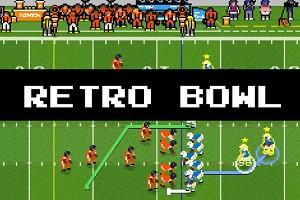 Retro Bowl feels simple for about five minutes. Then it starts asking better questions. Do you build the team around one elite quarterback, or do you spread talent across the roster so one injury or bad game does not wreck the season? Do you throw deep when the defense leaves a narrow window, or do you take the short gain, protect the ball, and keep the drive alive? Do you spend coaching credits on morale, facilities, or a new player who can fix a weak spot right away?
That is what stands out after spending time with the game. At first, it looks like a light retro football game with pixel art and easy controls. Once the season gets moving, your small choices start carrying real weight. If you make a bad draft pick, it can hurt your roster for weeks. If you make even one smart trade, it can change how your offense works. If you force a risky pass on third down, it can swing a game that felt under control a second earlier.
Retro Bowl gives you the best parts of managing a football team without burying you in menus. You handle the roster, deal with player mood, upgrade the organization, and then take the field to run the offense yourself. The game keeps everything readable, but it still gives your decisions enough consequence to make a season feel personal.
What You’re Actually Doing in Retro Bowl
You spend time on two connected layers. Off the field, you manage players, salaries, morale, free agents, and team development. On the field, you control the offense, choose when to pass, decide when to run, and try to score enough before the game slips away. The defense mostly depends on ratings and roster quality instead of direct control.
You may expect to miss controlling every phase of the game, but after a few seasons, the focus starts to make sense. The game pushes you to think like both an offensive coach and a team builder. If you build a weak defense, you feel it when opponents keep answering your scores. If you turn the ball over on offense, you feel it because your defense may not give you the ball back in a good situation.
That split makes every drive carry more pressure. If your defense cannot hold, you know you may not get many chances to waste. One careless throw, one failed fourth-down attempt, or one drive that ends without points can change the whole game.
The First Thing New Players Get Wrong
Most new players force deep passes too often.
The retro look makes everything seem a little looser than it really is, so it is tempting to test the defense with long throws every drive. Sometimes it works and feels great. More often, you end up floating the ball into coverage or throwing late across the middle and handing away possession.
Retro Bowl rewards patience more than flash.
The safer way to play is to start reading the field from short to deep, not the other way around. If your receiver on the outside has a clean curl route with room, take it. If your running back leaks out and nobody tracks him, take the easy yards. If the defense drops deep and leaves space underneath, be happy with that. Long gains still come, but they come more naturally when you stop chasing them on every snap.
One of my most consistent seasons came after I stopped trying to score in one play. I started building 8- to 10-play drives, and suddenly the offense felt much cleaner. Fewer interceptions. Better field control. More room for my quarterback to stay efficient.
How the On-Field Gameplay Feels
The controls are simple enough that almost anyone can understand them quickly. You aim passes, decide when to release, and move the ball carrier after the catch. That sounds basic, but the timing matters more than you might expect.
A pass thrown half a second early can lead your receiver perfectly into open space. The same pass thrown late can drift into a defender’s path. That difference is where the game earns its replay value. You start learning not just where to throw, but when.
Running the ball is similar. It is easy to think of rushing as the boring option, especially when passing looks more exciting. But a strong running back changes the rhythm of the whole offense. A five-yard run on first down makes second down calmer. A short touchdown punch at the goal line saves you from forcing a risky pass into traffic. Even when the run game is not dominant, it helps balance the offense and keeps the defense honest.
I had one playoff game where my passing game completely stalled in the first half. Tight windows, drops, pressure. I switched to a steadier mix of short throws and runs, and by the fourth quarter the defense started creeping up. That was when the deep shot finally opened.
Team Management Is Where Seasons Are Won
The roster side of Retro Bowl is lean, but it matters.
You are constantly making tradeoffs. Do you keep an aging player who still produces, or move on before decline hits harder? Do you invest in a key position, or patch multiple weak spots with average talent? Do you chase stars, or protect your budget and keep the team balanced?
Quarterback matters most, but one great quarterback does not solve everything. If the offensive line leaks pressure, if your receivers lack quality, or if morale collapses, the offense starts feeling unstable no matter who is throwing. At the same time, ignoring defense entirely can backfire. You may score often and still lose because you cannot get stops when it counts.
One of the easiest traps is overspending emotionally. You have a player you like, they had one huge game, and you start building the whole team around them without asking whether the cost makes sense. Retro Bowl punishes that kind of attachment over time. The smart move is often less dramatic. Build a team that can survive injuries, survive cold stretches, and survive one bad game without falling apart.
A Better Way to Think About Team Building
Try dividing your roster into three groups:
- Core pieces: players you trust and want to build around.
- Support pieces: players who help now but are replaceable.
- Risk spots: weak positions that can cost you games if ignored.
When I started thinking that way, management decisions became easier. Instead of treating every player as equally urgent, I started protecting the core, upgrading the risk spots, and staying flexible with the middle layer.
This also helps with coaching credits and upgrades. It is easy to spend those credits the moment you earn them, but Retro Bowl gets easier when you spend with a plan. If your team keeps breaking down late in the season, maybe facilities need attention. If morale keeps sliding, maybe the locker room needs more support than one new player.
Advanced Strategy for Experienced Players
Once you know the basics, Retro Bowl becomes more interesting.
Here are a few higher-level habits that helped me more than any simple beginner tip:
Throw before the break
Do not always wait for the receiver to be clearly open. Learn the route shape and release the ball just before the break. This creates cleaner completions and more yards after catch.
Use the sideline as a weapon
Outside throws are safer than many middle-field passes. Even if the gain is smaller, you reduce interception risk and stop the clock when needed.
Stop forcing hero drives
If a drive looks bad, punt or settle for the safer outcome. The game punishes desperation more than patience. Not every possession needs to end in fireworks.
Build for consistency, not highlights
A team with a good quarterback, reliable receiver, useful runner, and decent support often performs better over a season than a top-heavy roster with huge weak spots.
Learn game flow
There are moments when you should speed up and moments when you should control pace. If your defense is weak, long efficient drives matter even more. If you are protecting a lead, taking care of the ball matters more than chasing style points.
Respect field position
A risky throw from deep in your own half can flip the whole game. One turnover there feels much worse than an incompletion near the red zone.
Why the Retro Style Works
The pixel look is not just for nostalgia. It helps the game stay readable.
You see the routes clearly. You see open space clearly. You see pressure develop clearly. That matters more than flashy visuals would. The old-school presentation also makes the game feel lighter on its feet. Menus move quickly. Seasons move quickly. You spend more time making decisions and playing than waiting around.
What Keeps It Interesting After the First Few Seasons
A lot of sports games lose energy once you understand the system. Retro Bowl stays alive because small differences in roster quality, schedule pressure, and game flow keep creating new problems. One year you may have a great passing attack but weak depth. Another year you may need to survive a rebuild. Another year you may finally have a complete team and realize the pressure is worse because now you expect to win every week.
That shifting pressure gives the game personality. It also makes mistakes memorable. I still remember throwing a terrible late-game interception in a title run because I got greedy on a deep route when a short pass would have kept the drive alive. That one decision stayed with me longer than plenty of wins. Retro Bowl is good at creating those moments because it puts the blame and the credit where they belong: on your choices.
Questions Worth Asking Yourself While You Play
Are you losing because your roster is weak, or because you are forcing bad throws?
Are you spending credits to solve real problems, or just chasing the most obvious shiny option?
Are you building a team for one exciting game, or for a full season?
The game gets better when you ask those questions honestly. That is where the “coach” side of Retro Bowl really starts showing up.
Developer
Retro Bowl is developed by New Star Games in 2020.
Platforms
Want More Retro Football Action?
If you’re hooked on Retro Bowl, check out these next:
Retro Bowl Gameplay
Other Games