Backyard Baseball
How to Climb the Ladder and Master Every Score Challenge
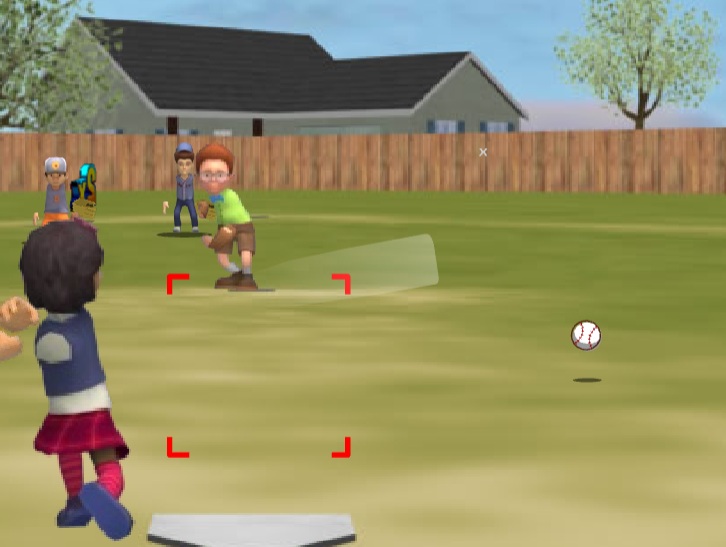 Backyard Baseball turns baseball into a score-chasing challenge built around timing, team choice, and steady progression. You pick a team, step into the batter’s box, and try to stack enough points to unlock the next set of challenges. The game does not just ask you to swing for the fence once and move on. It keeps giving you new score targets, new locations, and tougher goals, which makes each successful round feel like a step up instead of a one-off mini-game.
What helps the game stand out is that it mixes arcade baseball with a simple ladder structure. You start at the bottom rank and work upward by clearing score requirements. Early goals are manageable, but later ones ask for cleaner hitting and more reliable timing. That gives the game a stronger sense of momentum than a lot of casual baseball games. You are not just playing for one good hit. You are playing to unlock the next challenge.
What You Actually Do in Backyard Baseball
At its core, the game is about batting for points. You face a set number of balls and try to make them count. One of the early objectives is to hit a home run within 10 pitches, which tells you exactly how the game wants you to think: quick pressure, limited chances, and a strong reward for clean contact.
As you earn enough points, new stages unlock. The structure makes the game feel closer to a challenge ladder than a full baseball season. You move from one field to the next, with each area asking for higher scores before it opens up completely.
That progression works because the score goals rise at a steady pace. You are always close enough to the next unlock to care, but rarely so close that it feels automatic.
Team Choice Matters
Backyard Baseball gives you multiple teams to choose from, including names like:
- Downtown Thunder
- The Bears
- The Rockets
- The Bullies
- The Bunsen Burners
- The All Stars
- The Geminis
- North End Knights
- 7th Street Sluggers
- Uptown Royalty
This does not turn the game into a deep management sim, but it adds identity and gives the mode more personality. Picking a team makes the run feel like yours instead of a generic batting session.
How to Play Backyard Baseball
The goal is simple: hit the ball well enough to score and keep progressing.
A clean round depends on:
- reading the pitch early
- timing the swing properly
- making solid contact instead of just swinging fast
- turning limited pitches into as many points as possible
The game is easy to understand quickly, but good scores come from restraint. A lot of weaker rounds happen because players rush the swing instead of waiting for the right pitch path.
What Keeps It Interesting
Backyard Baseball does a smart job of breaking the experience into ranked stages and named locations. You start in simpler areas and gradually push toward tougher score thresholds in places like Pablo’s Sandlot, The Commons, and Garcia Mansion. That structure gives the game a reason to keep pulling you forward. Even if one round goes badly, you know exactly what score you need next.
It also helps that the presentation feels playful instead of stiff. The game leans into a lighter, backyard-sports tone, which makes the score grind feel more approachable.
Tips and Tricks
- Do not waste early pitches – With limited balls to work with, reckless swings hurt more than usual.
- Play for clean contact first – One strong hit does more for your score than several rushed misses.
- Learn the score targets – Knowing the next unlock number changes how aggressive you need to be.
- Treat each round like a small challenge – You do not need perfect baseball strategy here. You need steady execution under limited chances.
- Stay patient when chasing a home run – Trying to force the big hit too early usually leads to weak contact.
Why It Is Worth Playing
Backyard Baseball works because it keeps the batting simple while still giving you a reason to improve. The score ladder, team selection, and unlock structure stop it from feeling flat. It is easy to jump into, but it still gives you something to chase.
If you enjoy baseball games that focus more directly on timing and hitting mechanics, ESPN Arcade Baseball is another strong one to try. Backyard Baseball leans more playful and progression-based, while ESPN Arcade Baseball feels more focused on pitch reading, aim control, and contact precision.
Developer
Backyard Baseball is developed by Humongous Inc.
Other Games